


Hoima — Officials from the East African Crude Oil Pipeline (EACOP) and the Petroleum Authority of Uganda (PAU) have condemned what they describe as deliberate misinformation campaigns targeting the oil pipeline project.

EACOP Deputy Managing Director John Bosco Ahebwemugisha expressed concern over individuals and organisations spreading false claims that the pipeline is negatively affecting local communities.
He clarified that, contrary to such claims, EACOP has implemented several community development initiatives, including youth skilling programmes, timely compensation, livelihood restoration, and infrastructure development projects such as roads, schools, and water facilities.
Cue in John Bosco on skilling:
“Through our skilling programmes, hundreds of young people from project-affected districts have been trained in technical and vocational skills, equipping them for employment both within and beyond the oil and gas sector,” Ahebwemugisha noted.
He further criticized the circulation of unverified photos and videos — some originating from other countries — that are being used online to misrepresent Ugandan communities and fuel anti-project sentiments.
Meanwhile, Samuel Mugisa, a representative from the Petroleum Authority of Uganda, cautioned locals against taking and sharing unauthorized photographs or videos that could distort facts about the project.
Cue in Samuel on misinformation:
“We urge the public to verify information from credible sources such as EACOP, PAU, and the Ministry of Energy. Communities should be ambassadors of truth by highlighting the real benefits the pipeline brings,” Mugisa emphasized.

About EACOP
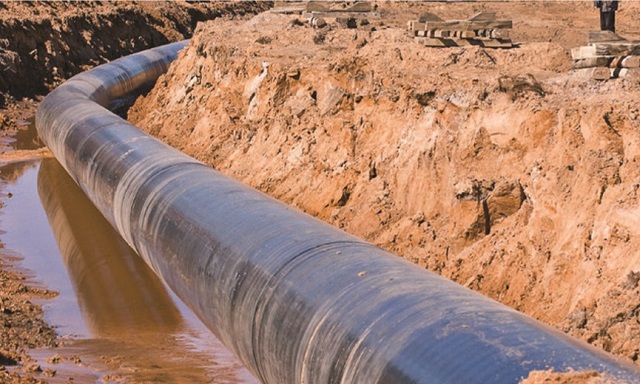
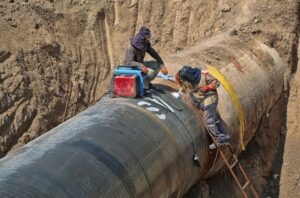
The East African Crude Oil Pipeline (EACOP) is a 1,443-kilometre pipeline designed to transport crude oil from Hoima, Uganda, to the Tanga Port on the Tanzanian coast. It is jointly developed by the Government of Uganda, Government of Tanzania, TotalEnergies, and CNOOC Uganda Limited.
Once completed, EACOP will be the world’s longest heated crude oil pipeline, supporting the development of Uganda’s oil resources while promoting regional cooperation, job creation, and economic growth.
EACOP officials affirm that the project adheres to international environmental, social, and human rights standards, with continuous engagement of local communities to ensure sustainability and transparency.