


Cuba is facing fresh uncertainty following a dramatic escalation between the United States and Venezuela, after Washington reportedly seized Venezuelan President Nicolás Maduro last weekend.
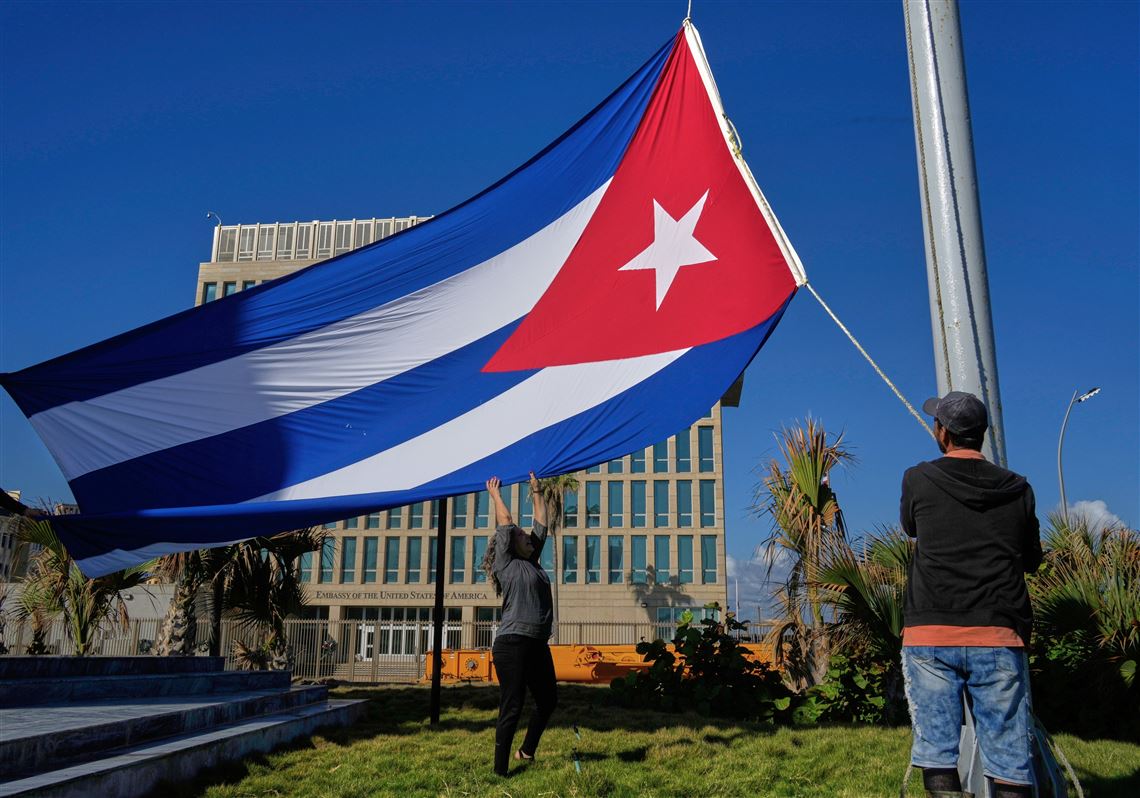
In response, Cuban authorities lowered national flags early Monday in mourning, saying at least 32 security officers were killed during the U.S. strike on Venezuela, Havana’s closest regional ally.
The administration of U.S. President Donald Trump has openly stated that removing Maduro would also weaken Cuba, a long-standing objective of Washington’s foreign policy. On Sunday, President Trump described Cuba as a country “ready to fall” without Venezuelan support.
For decades, Venezuela has been a key economic lifeline for the island nation. According to Jorge Piñón, a Cuban energy expert at the University of Texas at Austin Energy Institute, Maduro’s government had been supplying Cuba with about 35,000 barrels of oil per day over the past three months—nearly a quarter of the country’s total demand.
Cuban analyst and former diplomat Carlos Alzugaray warned that the loss of Venezuelan backing poses a serious threat to Cuba, but added that Havana is likely to seek support from allies such as China and Russia.
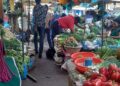
Meanwhile, anxiety is growing among ordinary Cubans already affected by frequent power outages and shortages of basic food items.
“We have to stand strong,” said 63-year-old Havana resident Regina Méndez. “I am already old, but if they give me a rifle, I will fight.”
President Miguel Díaz-Canel has condemned the U.S. operation as “state terrorism” and called for an urgent international response, as tensions continue to rise across the region.