



OPINOIN
The National Resistance Movement’s latest wave of grassroots mobilisation is more than routine political activity it is a calculated, highly efficient electoral machine designed to secure victories for NRM candidates from village councilors to President Yoweri Museveni himself.
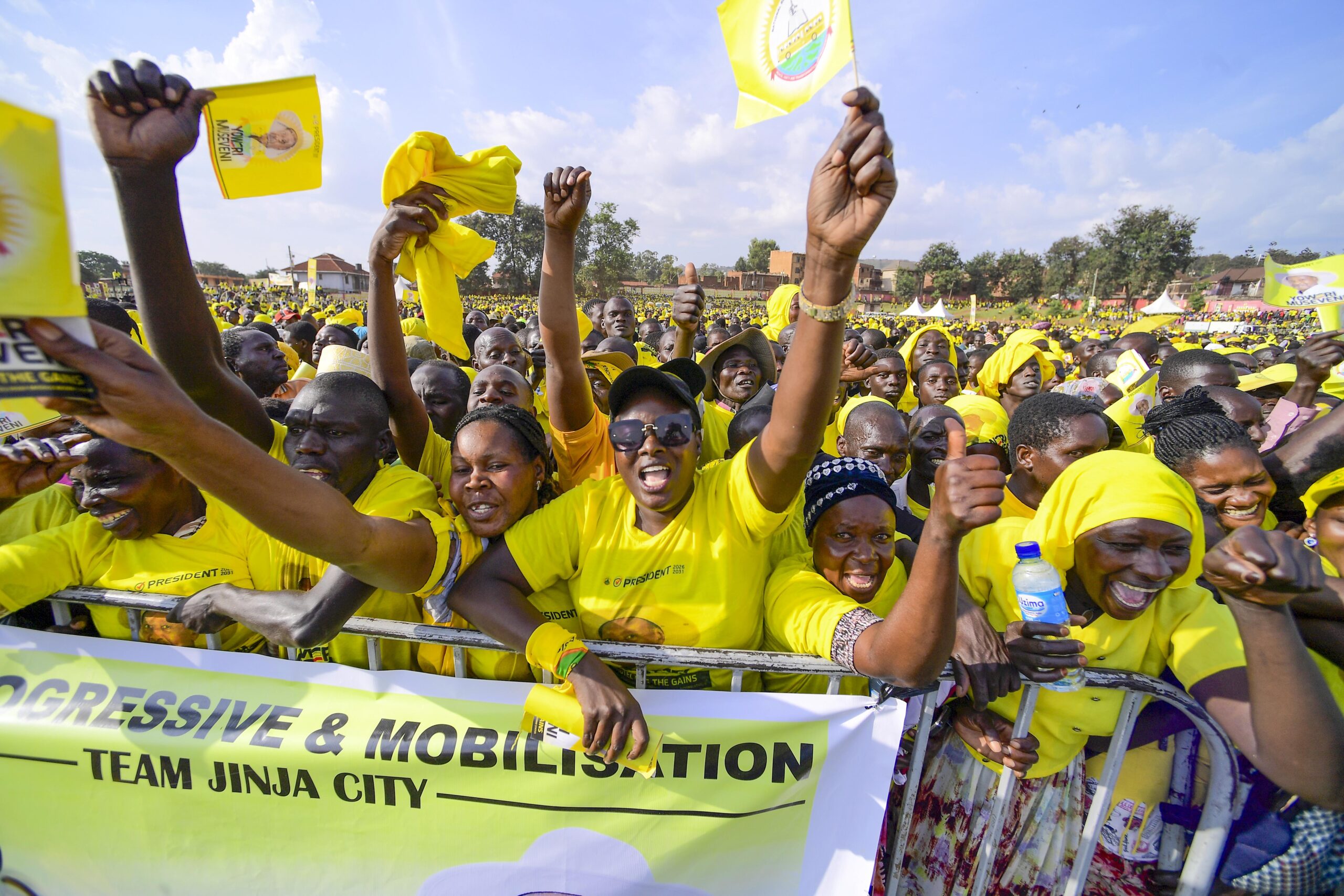
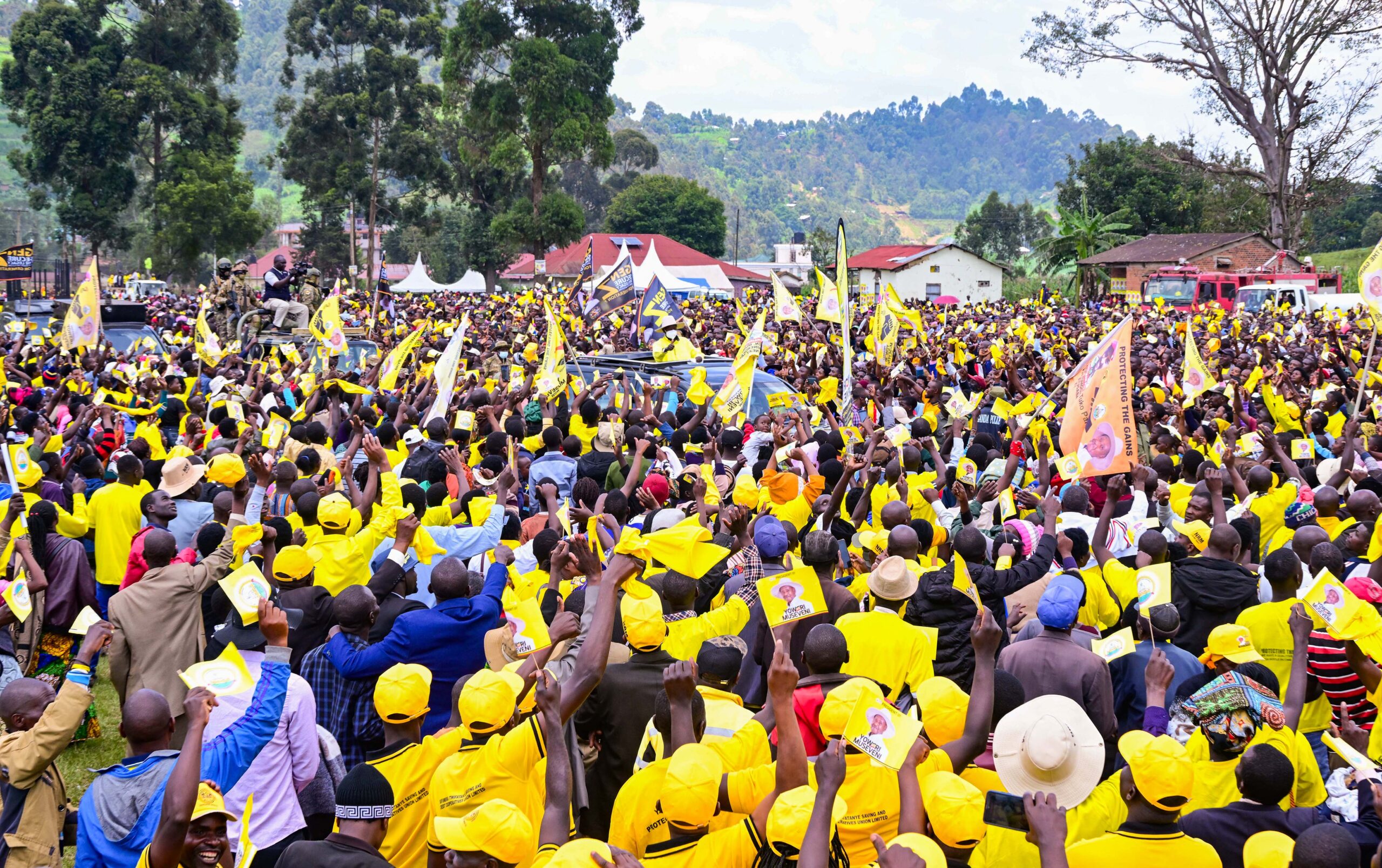
At the heart of this strategy is an army of 63 committee members in each of the country’s 72,000 villages.
This is not mere organisation; it is saturation. With hundreds of thousands of mobilisers deployed door-to-door, the NRM enjoys a level of political visibility that no other party can match.
The result is simple: consistent, predictable electoral advantage.
One of the most significant outcomes of this mobilisation is the reinforcement of party unity. In many constituencies, NRM’s biggest threat has never been the opposition but internal fragmentation. Mobilisers are now instructed to bring independents back into the fold, smooth over factional tensions and rally villages behind officially endorsed flag bearers.
By the time campaigns officially begin, the party has already neutralised its own internal saboteurs. For the NRM flag bearer, this unity is often the difference between a narrow loss and an overwhelming win.
These mobilisation drives also serve a strategic purpose: tying government development programmes directly to the ruling party. The Parish Development Model, Emyooga, and SACCO funding have become political currencies delivered through the hands of NRM village leaders. In villages where livelihoods depend heavily on state programmes, communities quickly connect continuity of services with continuity of NRM leadership. This dynamic inevitably favours the President, who is consistently presented as the architect and guarantor of these programmes.
Critics may label this patronage, but from a political standpoint, it is effective. When citizens believe their access to economic opportunities flows through NRM’s grassroots networks, voting for the opposition becomes an uncertain gamble with tangible consequences.
Equally important is the party’s domination of the political narrative at the local level. Opposition groups struggle to penetrate rural communities not only because of limited resources, but because NRM’s presence is constant and intimate. Mobilisers engage households on security, development, social welfare and government achievements long before the opposition arrives—if it arrives at all. The resulting political landscape heavily favours the President, who benefits from a positive storyline curated at the smallest units of society.
Moreover, the sheer scale of NRM’s financial and logistical investment in village mobilisation creates an uneven playing field. Whether one sees this as strategic organisation or institutional advantage, the reality is undeniable: opposition parties are outmatched long before polling day.
In essence, NRM’s grassroots operation is not simply political groundwork; it is the backbone of the party’s enduring dominance. It unifies support, shapes public perception, links livelihoods to the ruling structure and ensures that every village is a political asset rather than a battleground.
For President Museveni and NRM flag bearers, this strategy all but guarantees a favourable electoral landscape. Election victories are not left to chance—they are engineered from the ground up, village by village, household by household.
This is the quiet, systematic power of mobilisation that the NRM has mastered—and it continues to deliver.
The writer is Ikiriza Zephania Atwooki
PLU Coordinator Buliisa District
0776553173/ 752553173Whatsapp