


OPINION
The role of the opposition in bringing peace, stability, and harmony in Uganda is not secondary—it is central. In any democratic society, including Uganda under the leadership of Yoweri Museveni, the opposition is meant to strengthen the nation, not weaken it.
- Providing Peaceful Alternatives to Power
One of the most important roles of the opposition is to offer an alternative government in waiting. When citizens know that leadership change can happen through elections rather than violence, political competition becomes peaceful. This reduces the risk of conflict and instability.
If people believe there is no legitimate alternative voice, frustration can grow. A functioning opposition channels that frustration into debate, policy proposals, and lawful political participation.
- Promoting Accountability and Rule of Law
Peace and stability depend on justice and fairness. The opposition:
- Questions government decisions
- Exposes corruption or misuse of power
- Demands transparency
- Defends constitutionalism
By doing this, the opposition helps prevent abuses that could cause unrest. Accountability reduces anger and builds public trust in institutions.
- Representing Diverse Voices
Uganda is diverse—ethnically, regionally, religiously, and economically. Opposition parties often represent communities or perspectives that feel unheard.
When these voices are represented in Parliament and public debate, tensions are reduced. People feel included rather than marginalized. Inclusion strengthens national harmony.
- Encouraging Dialogue Instead of Conflict
A responsible opposition does not promote violence. Instead, it pushes for dialogue, negotiation, and peaceful protest. When opposition leaders choose discussion over confrontation, they model maturity for their supporters.
Meeting with the President or government officials should not be seen as betrayal. It should be seen as statesmanship. Dialogue lowers political temperatures and prevents polarization from turning into crisis.
- Acting as a Check on Extremism
An opposition can discourage radical thinking on both sides. By engaging constructively:
- It discourages supporters from taking extreme positions
- It prevents the government from becoming complacent
- It pushes politics toward moderation
Balanced political competition builds long-term stability.
- Preparing for Responsible Leadership
A serious opposition prepares policies, develops leadership capacity, and demonstrates readiness to govern. This reassures citizens and investors that the country has continuity, even if leadership changes.
Stability increases when leadership transition—whenever it happens—is predictable and constitutional.
The Responsibility of the Opposition
For the opposition to contribute to peace and harmony, it must:
- Reject violence and hate speech
- Respect constitutional processes
- Engage in constructive criticism
- Put national interest above personal rivalry
At the same time, the government must allow space for lawful opposition activity. Peace is built when both sides recognize each other as legitimate actors in the same national project.
A Shared Responsibility
Peace, stability, and harmony in Uganda are not the responsibility of the government alone. They require:
- A government willing to listen
- An opposition willing to engage responsibly
- Citizens committed to unity
Opposition is not about being enemies—it is about being competitors in service of the same country. When political actors understand this, Uganda’s democracy becomes stronger, and its future more secure.
Opposition failure to trust each other
When opposition groups do not trust each other, it usually reflects deeper structural and political realities not just personal disagreements. In Uganda’s context, where political competition is intense under the long leadership of Yoweri Museveni, mistrust among opposition actors can arise from several factors.
Here are some likely reasons:
- Competition for the Same Political Space
Opposition parties are competing for:
- The same voters
- The same funding sources
- The same media attention
- The same leadership position as the main alternative to government
When multiple leaders want to be the face of change, rivalry naturally develops. Competition can quickly turn into suspicion.
- Personality Politics over Institutional Politics
In many developing democracies, politics revolves around individuals more than strong party institutions. When movements are built around charismatic leaders rather than clear party systems, personal ambition can overshadow collective strategy.
This makes cooperation fragile, because alliances depend on personalities rather than shared ideology.
- Fear of Betrayal or Co-option
There is often suspicion that some opposition figures may:
- Secretly cooperate with the ruling government
- Be influenced or pressured
- Compromise for personal gain
Even when there is no evidence, fear and rumors can damage trust. In highly polarized environments, any engagement with government can be misinterpreted.
- Ideological Differences
Not all opposition groups believe in the same solutions. Some may prioritize economic reform, others constitutional change, others social justice. Without a unifying agenda, it becomes difficult to build strong coalitions.
When ideology is unclear, mistrust grows because partners are unsure of each other’s long-term intentions.
- Historical Grievances
Past failed alliances, broken agreements, or disputed elections can leave emotional scars. Political memory in Uganda is long. If previous cooperation ended badly, leaders may hesitate to trust again.
- External Pressure and Political Environment
Operating in a tense political climate can intensify internal divisions. Limited political space, resource constraints, and legal challenges may push opposition groups into survival mode rather than collaboration mode.
Under pressure, unity becomes harder to sustain.
What Is the Cost of Opposition Disunity?
When the opposition does not trust itself:
- It weakens its credibility before the public
- It confuses voters
- It reduces bargaining power
- It strengthens the ruling establishment
Citizens may begin to doubt whether the opposition is ready to govern responsibly.
How Can Trust Be Built?
- Create Clear Shared Goals
Focus on common national interests rather than individual ambition. - Develop Transparent Agreements
Written coalition frameworks reduce suspicion. - Institutionalize Internal Democracy
Strong party structures reduce personality conflicts. - Encourage Regular Dialogue
Communication prevents rumors from destroying unity. - Promote a Culture of Political Maturity
Leaders must show that national interest is bigger than personal leadership.
A Positive Perspective
Disagreements among opposition groups are not necessarily a sign of failure. They can also show diversity of ideas. The key is managing differences constructively.
Uganda’s political future will be stronger when both government and opposition—and opposition within itself—shift from suspicion to structured engagement. Trust is built slowly, but it begins with dialogue, transparency, and shared commitment to the country’s stability and democratic growth.
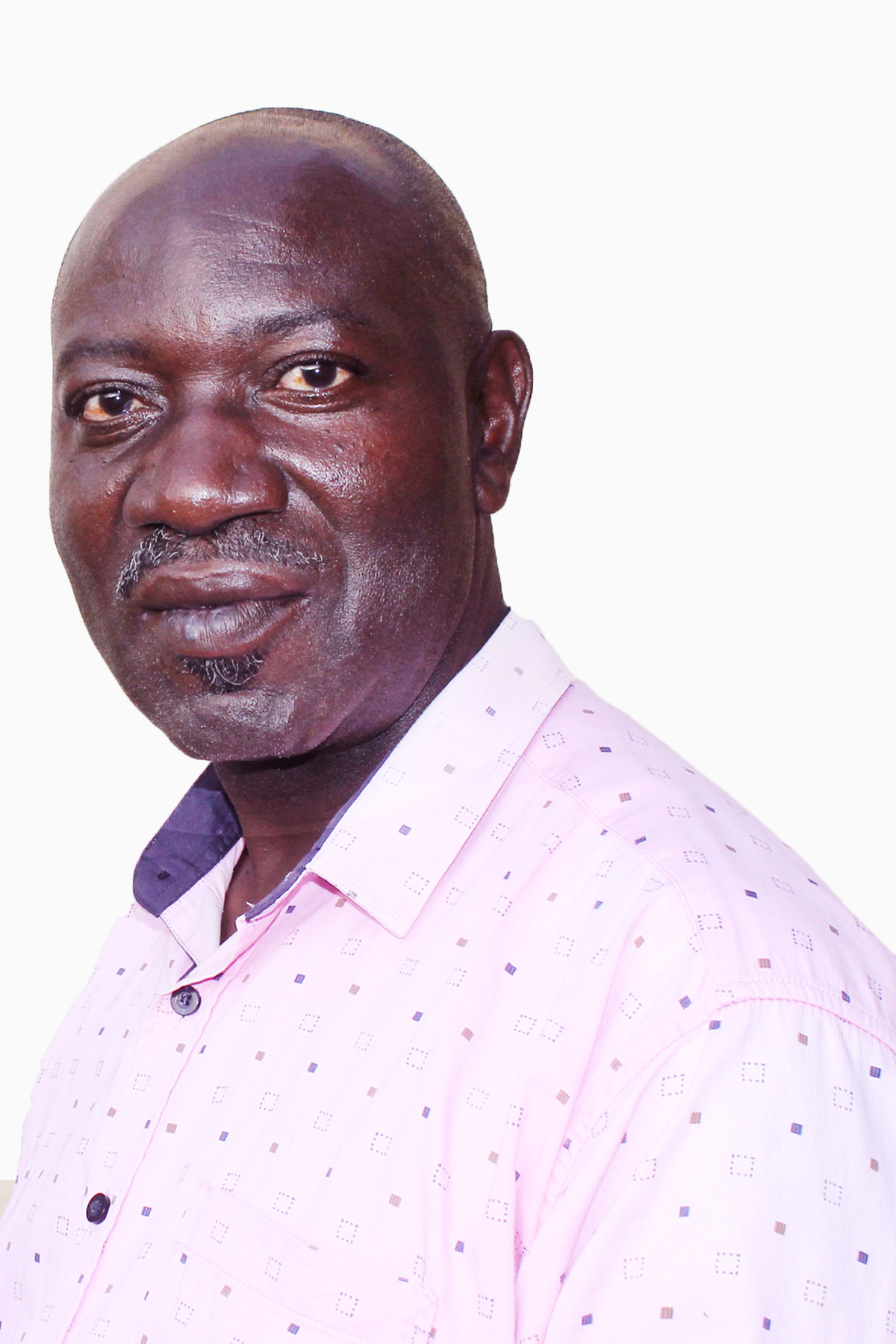
The writer is Ikiriza Zephania Atwooki
Journalist and PLU Publicity Buliisa District
izahkfm@gmail.com
0752553173 WhatsApp