



By: PPU
Uganda commemorated 40 years on January 26, 2026, since the National Resistance Army/Movement (NRA/NRM), led by President Yoweri Kaguta Museveni, liberated the country from years of instability, conflict, and misrule.
The 40th NRM/A Liberation Day celebrations, held at Kololo Ceremonial Grounds, attracted millions of Ugandans, including veterans, government officials, and citizens who gathered to honor the sacrifices made during the liberation struggle.
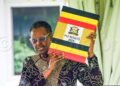
In his address, President Museveni looked ahead to Uganda’s future, focusing on the need for inclusive wealth creation and ensuring that no Ugandan is left behind. He paid tribute to the patriots who fought for the country’s freedom, presenting medals to outstanding individuals who contributed to the NRA’s 1986 victory.
Turning his attention to the country’s current development, President Museveni highlighted several milestones in Uganda’s progress over the past four decades.
The President expressed optimism about the country’s future, particularly with the expected arrival of Uganda’s first oil revenue by the end of the year.
“By the end of this year, we shall have our first droplet of oil,” emphasizing that this breakthrough would drive double-digit economic growth. He also pointed out that external forces once attempted to seize control of Uganda’s oil resources, but now the revenues will be used for national development,” the President declared.
President Museveni also took time to reflect on the shift toward a money economy in Uganda, noting that only 9% of Ugandans participated in it at independence. By 2003, just 32% of the population was integrated into the money economy, with 65% still working merely to survive.
However, through programs like Entandikwa soft loans and the Parish Development Model (PDM), the number of Ugandans participating in the money economy has grown significantly.
“It has been confirmed that 70% of the people are now under the money economy,” The President announced.
Despite this progress, President Museveni called for more efforts to integrate the remaining 30% of Ugandans into the money economy, stressing that
“we don’t want a country of 70% rich and 30% poor.” To address this gap, the President pledged increased support, promising more funds for the PDM, particularly in urban areas,” the President declared.
The President also announced that allocations to each parish would be increased, ranging from Shs 400 million to Shs 300 million, and that there would be broader outreach to various groups, including boda boda riders, ghetto youth, religious organizations, graduates, and political leaders.
Additionally, Museveni warned against corruption and mismanagement in local governance. He issued strong directives that any parish chief who failed to adhere to the new rules would be arrested.
Museveni also addressed issues within mismanaged SACCOs (Savings and Credit Cooperative Organizations), demanding that committees who had been giving themselves funds be dissolved and that people be allowed to choose their own leaders. Those responsible for extorting funds would face legal action.
Looking to the future, President Museveni outlined several priorities once resources allow, including resuming free education, improving curative healthcare, and repairing all village roads, both tarmac and murram. He also reiterated his commitment to rooting out corruption in the judicial system, saying, “We don’t want corruption in the courts.”
The 40th NRM/A Liberation Day served as both a commemoration of Uganda’s past struggles and a rallying cry for continued progress.
Museveni’s speech underscored the NRM’s ongoing commitment to transforming Uganda into a prosperous nation, where shared wealth and opportunity are available to all.
“True liberation means wealth and opportunity for all,” emphasizing that inclusive growth remains the ultimate goal for Uganda’s future,” the President added.