


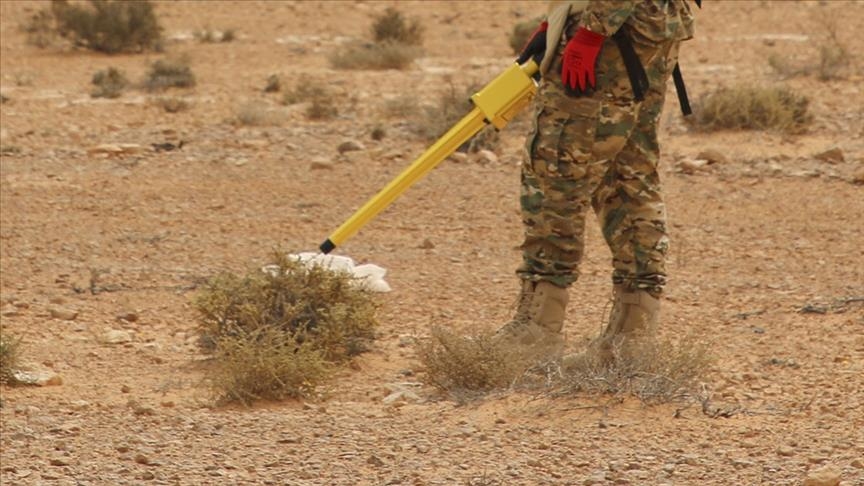
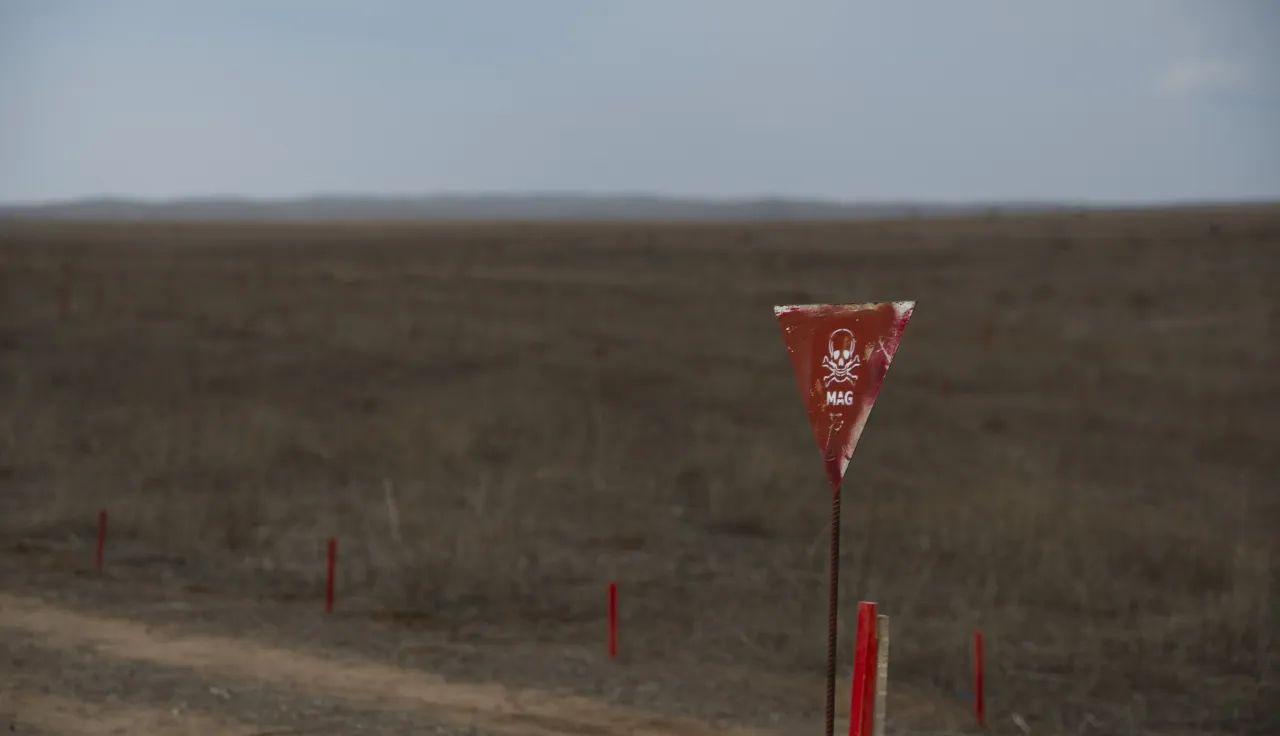

The United Nations is raising urgent concerns about a surge in landmine-related deaths and injuries, warning that lifesaving demining programmes are at risk of shutting down due to severe funding shortages.
Meeting in Geneva, international mine-action experts said the remnants of both old and ongoing conflicts continue to kill and maim civilians almost every day. According to the UN Mine Action Service (UNMAS), while demining efforts in the Occupied Palestinian Territory and Sudan are currently holding steady, operations in Afghanistan and Nigeria are facing a crisis.
Christelle Loupforest, the UNMAS representative in Geneva, said demining programmes in Afghanistan, Nigeria and Ethiopia may have to close by March unless new donor funding is secured. She described the situation as “dire,” noting that without support, civilian casualties will almost certainly rise.
In Sudan, the risks are escalating as well. Roughly 1.5 million people have returned to Khartoum even though the capital remains littered with unexploded weapons from the brutal fighting between the Sudanese Armed Forces and the Rapid Support Forces. UNMAS Chief in Sudan, Sediq Rashid, said only five clearance teams are operating in the country, all of them deployed inside Khartoum because the need there is overwhelming.
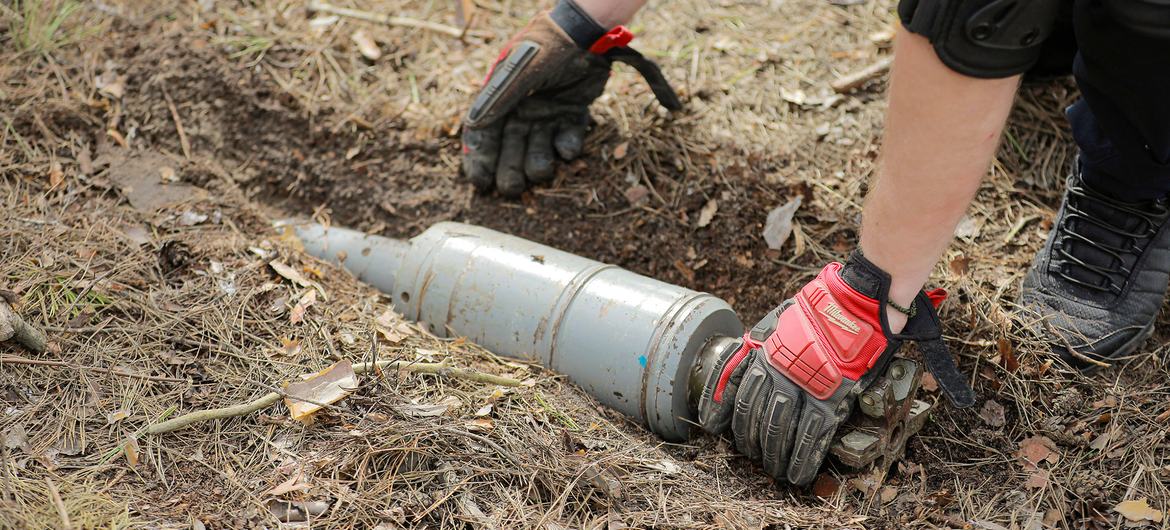
Rashid added that the UN remains extremely worried about al-Fasher, a city besieged for more than 500 days. Shelling has not fully stopped, and there are increasing reports of landmines in surrounding areas. Access to the region, he said, remains a major operational challenge.
Nigeria faces its own urgent threats. As camps for displaced people shut down, thousands are beginning to return home sometimes to communities contaminated with hidden explosives. Edwin Faigmane, who heads UNMAS operations in Nigeria, said 80 percent of recent civilian casualties are occurring in just 11 of the 15 main return areas.
To mitigate the danger, UNMAS has been training Nigerian security forces, police and civil defense teams to carry out mine-risk education in remote, unstable regions known as “hard-to-reach” zones.
Experts emphasized that mine action is frequently misunderstood as long-term development work. In reality, they say, it is emergency humanitarian intervention work that saves lives every single day. Without immediate funding, those efforts could grind to a halt.